Questions to ask before removing commercial equipment
Equipment needs more detail than a photo: dimensions, connections, route, and ownership.
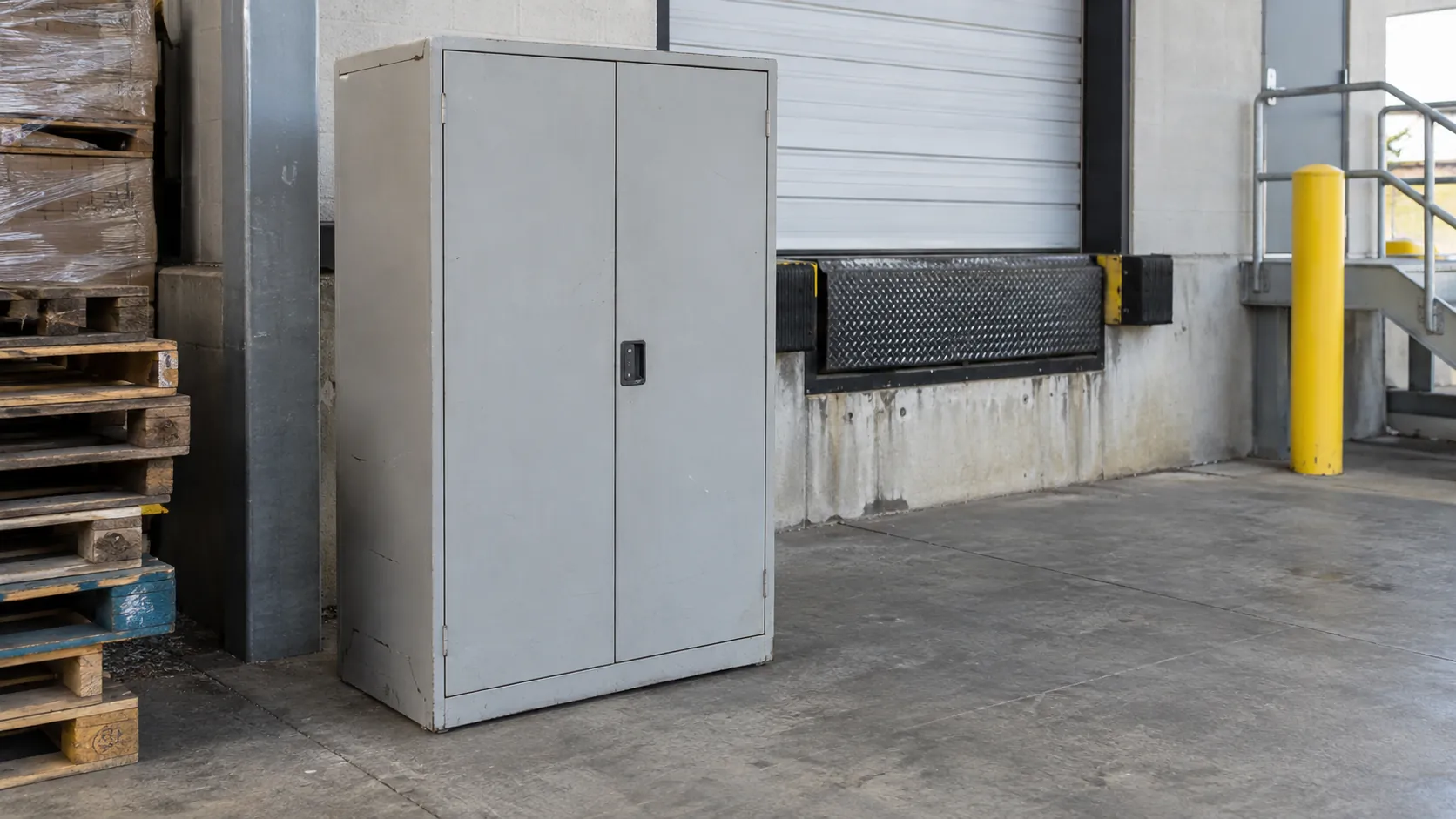
Before requesting equipment removal, identify the exact item and how it is connected to the building. A cabinet that rolls out of a storage room needs a different plan from a plumbed machine or a unit anchored to the floor. The first conversation should establish whether a general hauling service can accept the item at all.
Record the essentials
- Manufacturer and model, if the label is available.
- Height, width, depth, and approximate weight from documentation where available.
- Clear photos of the whole item, connections, and its route to the exit.
- Whether it is powered, plumbed, bolted down, or contains fluids.
- Whether business data, keys, or consumables are still inside.
Confirm who handles disconnection
Do not ask a hauling crew to cut wires, disconnect gas or water, release refrigerant, or dismantle machinery unless that work is explicitly within its approved scope. Arrange qualified disconnection when needed and confirm the equipment is ready for removal. A provider should assess whether special moving equipment or a different disposal channel is required.
Check the exit route
Measure narrow doors and turns, note thresholds and stairs, and confirm whether a loading dock or lift gate is available. OSHA’s material-handling guidance discusses mechanical assistance for heavy loads and the hazards of poor handholds. Use it as a reason to flag the issue, not as a do-it-yourself lifting plan. OSHA heavy lifting guidance (U.S.; checked September 25, 2026).
Ask the provider these questions
Can you accept this exact model and its materials? What must be disconnected first? Who is responsible for moving it to the loading area? What access or equipment changes the estimate? How will the final scope be confirmed?
For an item-specific conversation, read about commercial equipment removal and send the details. If the equipment is part of a larger property turnover, make a cleanout inventory first.